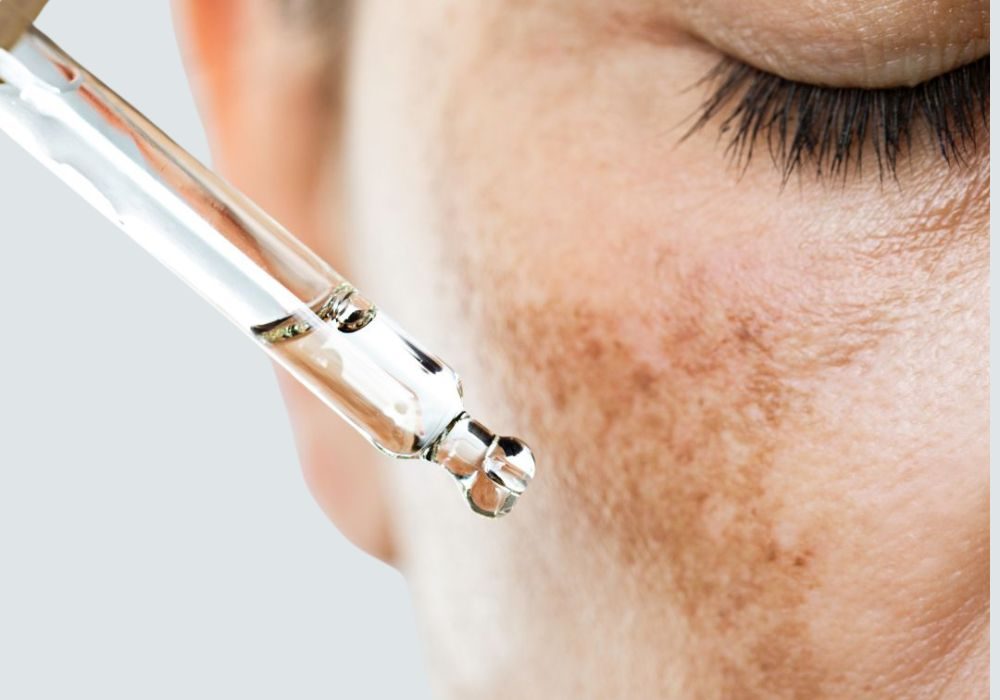
What Is Melasma?
Melasma is a chronic skin condition characterised by brown or grey-brown patches, usually on the cheeks, forehead, upper lip, nose, or chin. It is a type of hyperpigmentation caused by overactive melanocytes—cells responsible for producing melanin, the pigment that gives skin its colour. Melasma is more common in women and in individuals with darker skin tones. While it is not dangerous, it can significantly affect self-confidence and emotional well-being.
What Causes Melasma?
Understanding the triggers of melasma is essential for effective management. Common causes and contributing factors include:
- Sun Exposure: UV radiation stimulates melanin production, making sun exposure the primary melasma trigger.
- Hormonal Fluctuations: Pregnancy, birth control pills, and hormone replacement therapy often lead to melasma, sometimes referred to as "the mask of pregnancy."
- Genetic Predisposition: If you have a family history of melasma, you're more likely to develop it.
- Skin Inflammation: Pollution, harsh skincare products, and certain medications can irritate the skin and worsen pigmentation.
- Heat Exposure: Not just sunlight, but exposure to heat (like cooking or saunas) can also trigger melasma.
- Dermal-Epidermal Junction: The health of your DEJ is a large contributor to the formation of melasma.
Read more about the hidden causes of chronic melasma.
Lifestyle Factors That Worsen Melasma
Your daily habits majorly affect how your skin responds to treatment. Factors that can trigger or worsen melasma include:
- Unprotected Sun Exposure: Not wearing SPF or hats can undo all your progress.
- Hormonal Contraceptives: Can trigger or aggravate melasma due to synthetic oestrogens.
- Stress: Chronic stress affects hormone levels and triggers inflammation, which can manifest on the skin.
- Poor Sleep and Diet: These affect both gut health and hormone regulation.
Adopting a melasma-friendly lifestyle, including sun avoidance, stress management, anti-inflammatory nutrition, and hormone balance, can significantly support treatment success.
Read more on why melasma is difficult to treat.
The Power of Combination Treatments for Melasma
Melasma is a complex condition that requires time, consistency, and a personalised treatment plan. At Skin Renewal, we don’t simply treat the surface — we focus on the underlying causes, from hormonal imbalances to gut health, inflammation, and environmental triggers. Our doctor-led team designs comprehensive protocols that combine advanced in-clinic technologies, customised skincare, oral supplements, and lifestyle modifications.
This multi-layered approach allows us to target pigmentation on both the surface and deeper skin layers, helping restore healthier, even-toned skin. Every treatment plan is carefully tailored after an in-depth consultation, ensuring that each patient receives safe, effective, and sustainable results that address immediate concerns and long-term skin health. Skin Renewal offers advanced melasma treatments tailored to each skin type and severity level. These include:
- Chemical Peels: Peel treatments target superficial pigmentation and accelerate cell turnover.
- Laser and Light Treatments: Lasers such as Pico Toning, Fractional lasers (Pico Fractional) and IPL (Intense Pulsed Light) can safely address deeper dermal pigmentation.
- Skin Needling: Devices like Dermapen, R.Pen, Secret RF Needling and Enymed Intensif enhance product penetration and stimulate skin regeneration.
- Transdermal Mesotherapy: Delivers pigmentation-reducing actives deep into the skin using FDA-approved Dermo-electroporation technology.
- LED Light Treatments: Photo Dynamic Therapy supports skin healing, reduces inflammation, and improves skin tone.
- Mesobrite™: This is an advanced depigmentation treatment exclusive to Skin Renewal. It is designed to effectively target stubborn pigmentation, such as melasma and post-inflammatory hyperpigmentation.
These treatments are prescribed based on your melasma type—epidermal, dermal, or mixed—and your skin's sensitivity.
Topical Products and Oral Supplements for Melasma
A consistent at-home skincare regimen is essential in managing melasma. While in-clinic treatments provide visible change, at-home care and internal support are essential for maintaining results. Skin Renewal has developed its exclusive range of skincare products to deliver medical-grade ingredients to your skin.
Key Skin Renewal products to look for:
Other Key Ingredients Beneficial to Melasma:
- Niacinamide: Reduces inflammation and pigmentation.
- Retinoids (Retinol or Tretinoin): Encourage skin renewal and prevent pigment buildup.
- Hydroquinone (prescription only): A gold standard for melanin suppression.
- Tranexamic Acid: Found in both topical and oral form, it's a powerful agent for stubborn pigmentation.
Lifestyle Strategies to Support Vascular Stability in Melasma
Lifestyle Strategy | How It Helps |
|---|
Anti-Inflammatory Diet | Reduces systemic inflammation and supports hormone balance. |
Sun & Heat Protection | Minimises UV and heat-related vascular and pigment triggers. |
Stress Management | Lowers cortisol levels, supporting vascular stability and hormonal regulation. |
Gut & Hormonal Health Support | Reduces internal inflammation and addresses hormonal imbalances affecting skin health and appearance. |