Melasma Explained - Video
Uploaded
Aug 18, 2026
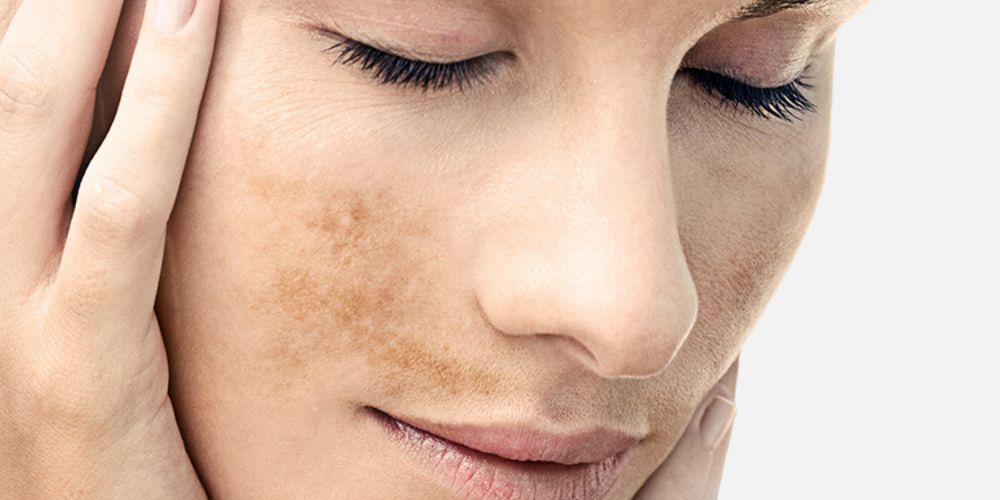
Dr Maureen Allems explains how hormones, sun exposure, inflammation and lifestyle factors may contribute to melasma and persistent facial pigmentation.
What You Will Learn
Understand the difference between melasma, sun damage and post-inflammatory hyperpigmentation.
Learn why an accurate pigmentation diagnosis is important.
Identify the hormonal factors that may trigger melasma.
Understand how genetic predisposition can increase melasma risk.
Learn how solar radiation contributes to pigmentation.
Explore the relationship between inflammation and melasma.
Understand how sleep, insulin levels and gut health may influence inflammation.
Learn about the possible role of mast cells in melasma.
Read Full Video Transcript
Melasma, also known as hormonal pigmentation, is a very big part of our skin renewal practice. Many young women come into the clinic with pigmentation. At Skin Renewal, we combine doctor-led care, cutting-edge technology, and a holistic approach to deliver personalised solutions that truly transform your skin.
Just what you need, right now. So our doctors have been trained to see exactly what kind of pigmentation this is, whether it's melasma, which is, you know, hormones are very responsible, and that normally occurs before the age of 30 or just after 30. Then we get sun damage, which occurs after age 40.
And then we get post-inflammatory hyperpigmentation, which usually comes after trauma or skin conditions like eczema, scratches, or acne. So it's very important to distinguish which kind of pigmentation we have. Melasma is one of our more difficult types of pigmentation to treat because it has many underlying causes.
And very often, you know, the genes load the gun, so this is a genetic predisposition, and then your lifestyle pulls the trigger. So this also depends on what kind of hormones you are on, whether you are on any artificial hormones like the oral contraceptive pill, pregnancy, in vitro fertilisation, the patch, the marina. So any contraception that has hormones, and then very often you go on to hormone replacement therapy.
So on the cells, on the melasma cells, the melanocytes, there's a receptor for hormones. And if you add fuel to the fire, if you add hormones to this mix, then those cells are triggered to make pigmentation. And then another big part of melasma, as we all know, is solar radiation.
Most sun damage occurs before age 20. And then it obviously starts showing at the age of 26 to 30, when you start seeing these hormonal patches come out. Then inflammation kicks in, usually due to our lifestyle choices.
Because once again, we have to go back to the pillars of health. And if you address these pillars of health, you're also going to address your melasma, and you're also going to improve your health. So once again, sleep and insulin are very important because lack of sleep and high insulin levels cause inflammation, which fuels the pigmentation and fuels any chronic disease.
Then we get gut problems from eating inflammatory foods. So we must keep the main inflammatory foods out of our gut, such as gluten, grains, oils, and the omega-3:6 ratio. Omega-6 oils like sunflower and canola, plus fried foods, are very inflammatory to the gut.
And then you leak inflammation into the system. And then in the skin, it triggers the melanocytes. And then, you know, estrogen and liver detoxification are also very important.
And then on my journey, I've really researched melasma and chronic illness to see where it's all coming from. Very often, it's mast cell activation syndrome. Scientists have gone down a long path trying to see how inflammation triggers melasma in the skin.
That's because mast cells, which are everywhere in the body, get triggered. Then they release histamine and tryptase, which are known to be major contributors to melasma. So there are many causes and treatments for melasma.
The next video will cover what triggers melasma.
Format
YouTube Embed
Video ID
0ZA7YQ6KgHU